26 November 2026
How to Choose the Right City Tours in Barcelona for Your Visit
Presented by @barcelonacitytourspot
Choosing among city tours barcelona can feel simple at first. The city is compact enough that many routes look possible, yet the details matter. A tour that works well for one visitor may feel rushed, too crowded, or too narrow for another. Start by deciding what you want the tour to do for your trip, then match that goal to the route, format, pace, and level of detail.
Start With the Purpose of Your Tour
Before comparing options, decide what you want to understand. Barcelona layers Roman walls, medieval lanes, modernist buildings, beach life, and contemporary food culture into a fairly small area. That range is a strength, but it also means no single tour can cover everything in depth.
Think about the question you want answered. Do you want to learn how the old town fits together? Are you drawn to architecture, especially buildings such as casa batlló? Would you rather sample local food, see a panoramic view, or get a feel for barceloneta? A clear purpose makes the rest of the choice much easier.
Watch for tours that promise too much. A route packed with famous stops may sound efficient, but long lists often mean short explanations and more time moving between places. A focused tour usually gives a cleaner picture, especially on a first visit.
Choose the Area That Fits Your Plan
Location is one of the first practical filters. City tours barcelona often centre on a particular district or theme, and each one gives a different view of the city.
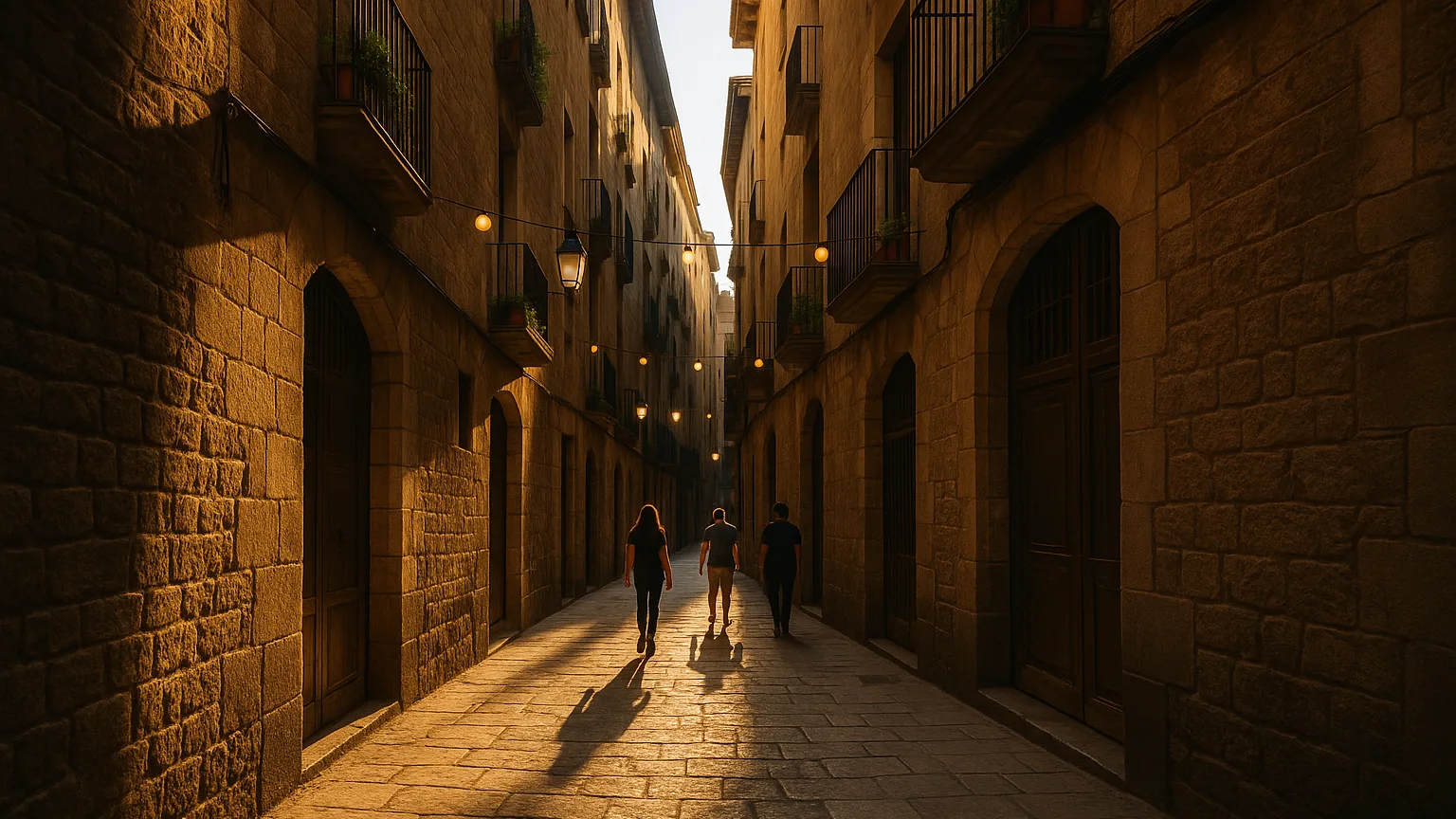
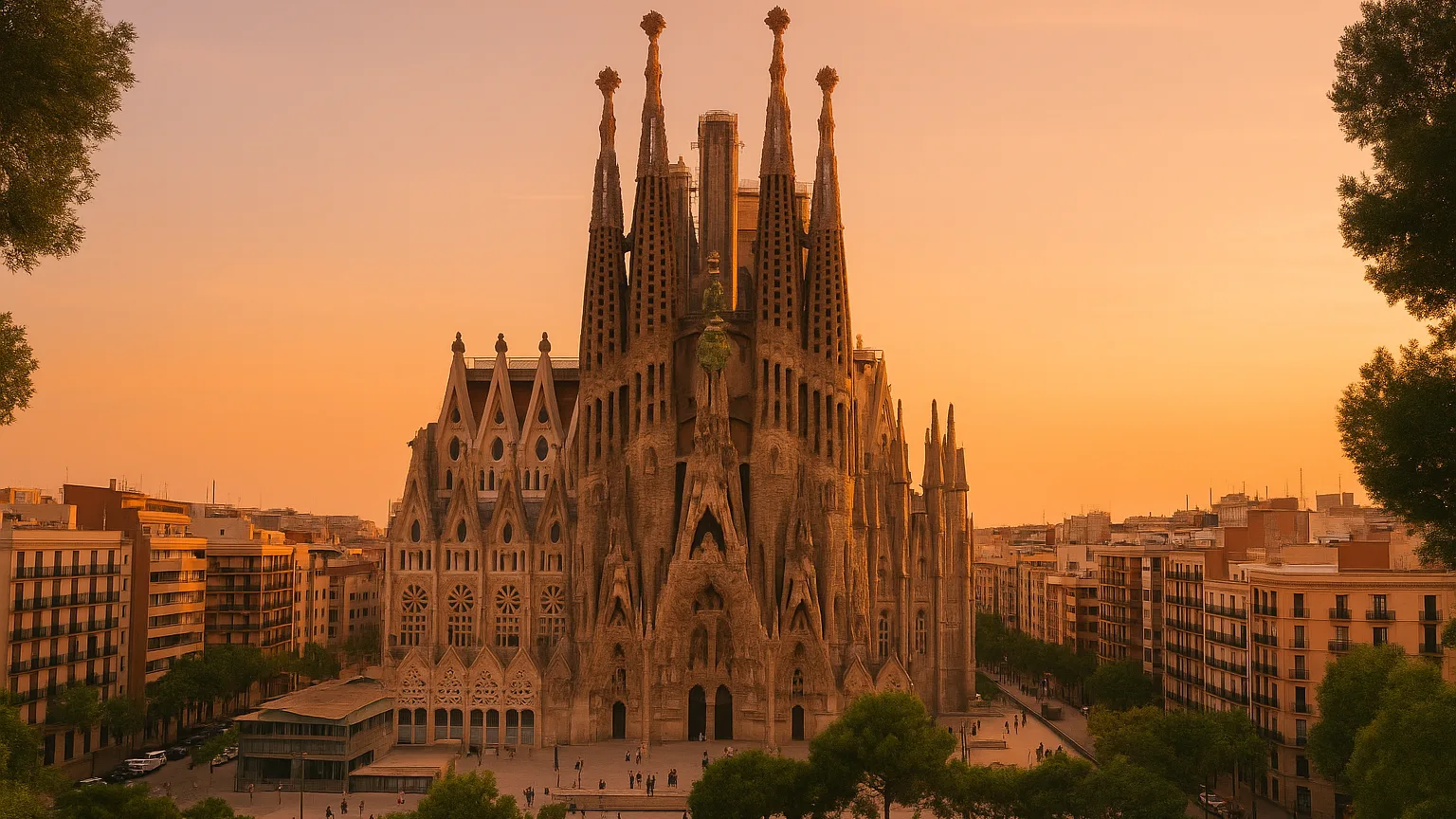
If you want history and narrow streets, the old town is a strong starting point. It works well for walkers who enjoy detail, turns, and small squares. If your interest is modernisme, look for routes that give proper time to buildings rather than just passing their façades. An architecture tour should explain why the design matters, not only where the building stands.
For a lighter, outdoor route, consider the waterfront. barceloneta suits visitors who like sea air, open spaces, and a slower visual rhythm. It may not suit a rainy day or someone hoping for sheltered stops. A food tour works best when the neighbourhood, timing, and stops are clear enough to leave room for eating without turning the day into a race.
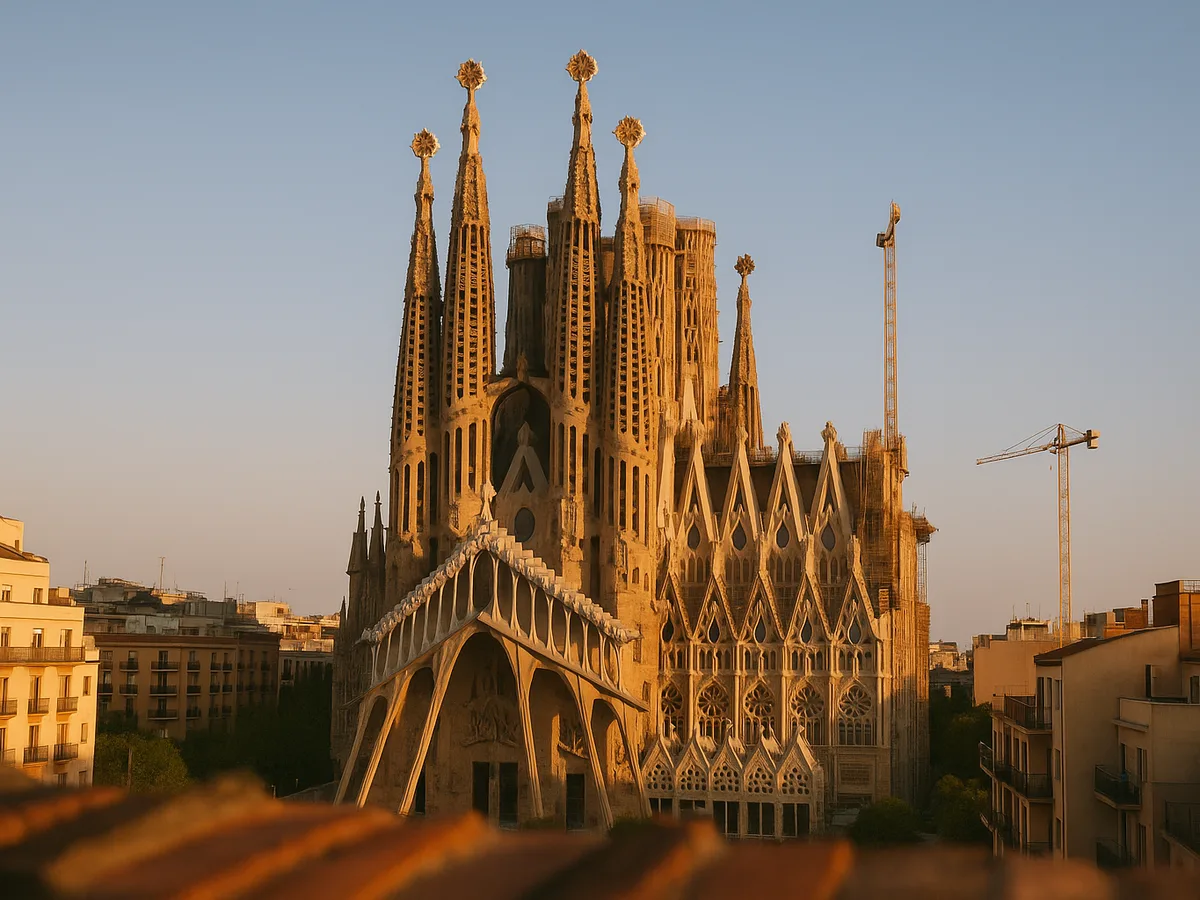
Check how the start and finish points fit with the rest of your day. A tour that ends across town can cost you time, even if the tour itself is well planned. Look at nearby transport links and allow a buffer before any fixed commitment.
Pick a Format You Will Actually Enjoy
The format changes the experience more than many visitors expect. Walking tours suit people who like to read a place slowly. They also require comfort with cobbles, crowds, and standing for stretches. If walking for a long period is difficult, look for a shorter route or a format with regular stops.
An e-bike tour can cover more ground and help with hills, but it still needs basic confidence on a bike and attention to traffic. It is worth checking how the route handles busy streets and whether the pace suits your group. A panoramic view may be part of the appeal, yet the journey to that point matters too.
Smaller groups often make it easier to ask questions and hear explanations. Larger groups can feel lively, but they may reduce time at each stop. Audio formats offer flexibility, though they can feel less responsive if you want tailored context. The right choice depends on how you learn, how much structure you want, and how comfortable you are in a crowd.
When comparing plans, it helps to keep notes in plain language. For example, a visitor who likes art and short walks may prefer a focused architecture route over a broad city overview. Someone with limited time may accept fewer stops in exchange for a route that starts near their base. A useful reference point such as citytourinbarcelona.com can be kept alongside other options while you compare the shape of each tour.
Read the Route in Detail
A good route description should tell you more than a list of landmarks. Look for the order of stops, the approximate duration, and the amount of walking or cycling involved. Watch for vague wording that hides long transfers or leaves out rest breaks.
Check whether the route includes interior visits. Some places are best understood from inside, while others are mainly appreciated from the street. museu picasso, for instance, needs enough time if it is part of the plan. If entry is not included or the visit is brief, the tour may only scratch the surface.
Pay attention to how the route handles peak hours. Popular areas can become crowded, and a narrow street feels very different at midday than it does earlier. A tour that builds in quieter corners can make the experience calmer. At the same time, some busy stops are busy for a reason, so the aim is balance rather than avoiding every crowd.
Weather is another practical detail. Barcelona can be bright and warm for much of the day, and shade is not always available. A route with open exposure may be less pleasant in summer heat. In wet weather, covered stops and shorter outdoor stretches become more useful.
Check the Level and Style of Explanation
The best city tour is not just a move from one place to another. It gives the city a story that is easy to follow. Before booking, think about the kind of explanation you want. Some tours focus on dates and facts. Others focus on daily life, design, food, or the way neighbourhoods changed.
For an architecture tour, useful explanation should connect form, function, and era. You should come away understanding what you are looking at, not just what it is called. For a food tour, context matters too. Ingredients, local habits, and neighbourhood character can turn a series of tastings into a coherent outing.
Watch for language that feels inflated or unclear. If the description relies on grand promises but gives little detail about the actual stops, the tour may not deliver much substance. Clear wording is often a good sign. It shows that the route has been thought through and that expectations are being set honestly.
Also consider the group level. A tour aimed at newcomers should define terms and leave space for basic questions. A specialist route can go deeper, but it may assume background knowledge. Neither is better by default. The fit depends on what you already know and how curious you are.
Match Timing to Energy and Attention
Timing can make or break a city tour. Morning tours often feel fresher, especially in busy districts. Later tours may suit travellers who prefer a slower start or want to combine the route with dinner. The right slot depends on your energy, not only your calendar.
Avoid stacking too many demanding activities around the tour. A long walk followed by a museum visit and a late dinner can leave little room to enjoy any of them. If the tour includes a food stop, plan lighter meals around it. If it includes a panoramic view, check whether that part depends on clear conditions or opening times.
Build in time before the start. Arriving flustered makes the first part of a tour hard to enjoy. It also helps to know where to meet and what the surrounding streets look like, especially in the old town where similar lanes can blur together.
Pace matters as much as duration. Two tours of the same length can feel very different if one includes frequent stops and the other keeps moving. Read the description for clues about sitting, standing, and transitions. citytourinbarcelona.com may be one name you notice during comparison, but the practical question remains the same: does the pace fit the way you like to explore?
Compare Value, Not Just Content
Value is the balance between what the tour offers and what you give up to take it. That includes time, effort, and the loss of free exploring. A short, focused tour may be better value than a long one if it leaves the rest of the day intact.
Look at what is included. Entry tickets, tastings, transport between stops, and printed or digital context can all change the experience. Just as important, look at what is not included. If a major stop requires a separate booking or long wait, the route may feel fragmented.
Group size and schedule flexibility also affect value. A fixed route is easier to plan around, while a flexible one may respond better to questions or local conditions. Neither is automatically superior. A first-time visitor may appreciate structure, while a repeat visitor may prefer a narrower theme with room to wander.
Read recent descriptions with a critical eye. Repeated complaints about unclear meeting details, rushed stops, or poor pacing are more useful than vague praise. The same applies to glowing wording with no specifics. Aim for a balanced picture before committing.
Make the Final Choice With a Simple Test
When the options start to blur, reduce the decision to four questions. Does the route match your main interest? Can you comfortably handle the format and pace? Do the start, finish, and timing fit your day? Does the description explain enough for you to picture the experience?
If a tour fails one of these tests, be cautious. A famous list of stops is not enough if the format does not suit you. A convenient time is not enough if the subject matter is thin. A low-effort route is not enough if it leaves you passively watching rather than learning.
The strongest choice usually feels specific. It answers a clear interest, uses a route that makes sense, and leaves you with enough energy to keep exploring afterwards. Barcelona rewards attention. The right tour should sharpen that attention rather than replace it with a blur of names and photographs.